
CranePro 3D is an advanced parametric modeling software designed for
engineers, planners, and lifting specialists to create, visualize, and
analyze crane operations in a 3D environment. The software allows users
to efficiently generate detailed crane models, simulate lifting
scenarios, and optimize lift planning while ensuring safety and
operational efficiency.
Built to enhance the precision and accuracy of crane-related projects,
CranePro 3D integrates industry-standard lifting parameters, including
crane charts, boom configurations, and load limits. This ensures that
users can assess crane capabilities, avoid overloading, and improve
decision-making during planning and execution phases.
Important Note: While CranePro 3D provides valuable tools for lift
planning, the final responsibility lies with the user. Engineers and
operators must always verify lifting configurations against the official
crane load charts and site conditions to ensure compliance with safety
standards and manufacturer specifications. The software is intended to
assist in decision-making but does not replace the need for professional
judgment and thorough review.
Whether for construction, heavy lifting, or industrial applications,
CranePro 3D provides a reliable and user-friendly platform that
streamlines crane selection, placement, and lifting procedures in
compliance with engineering best practices.
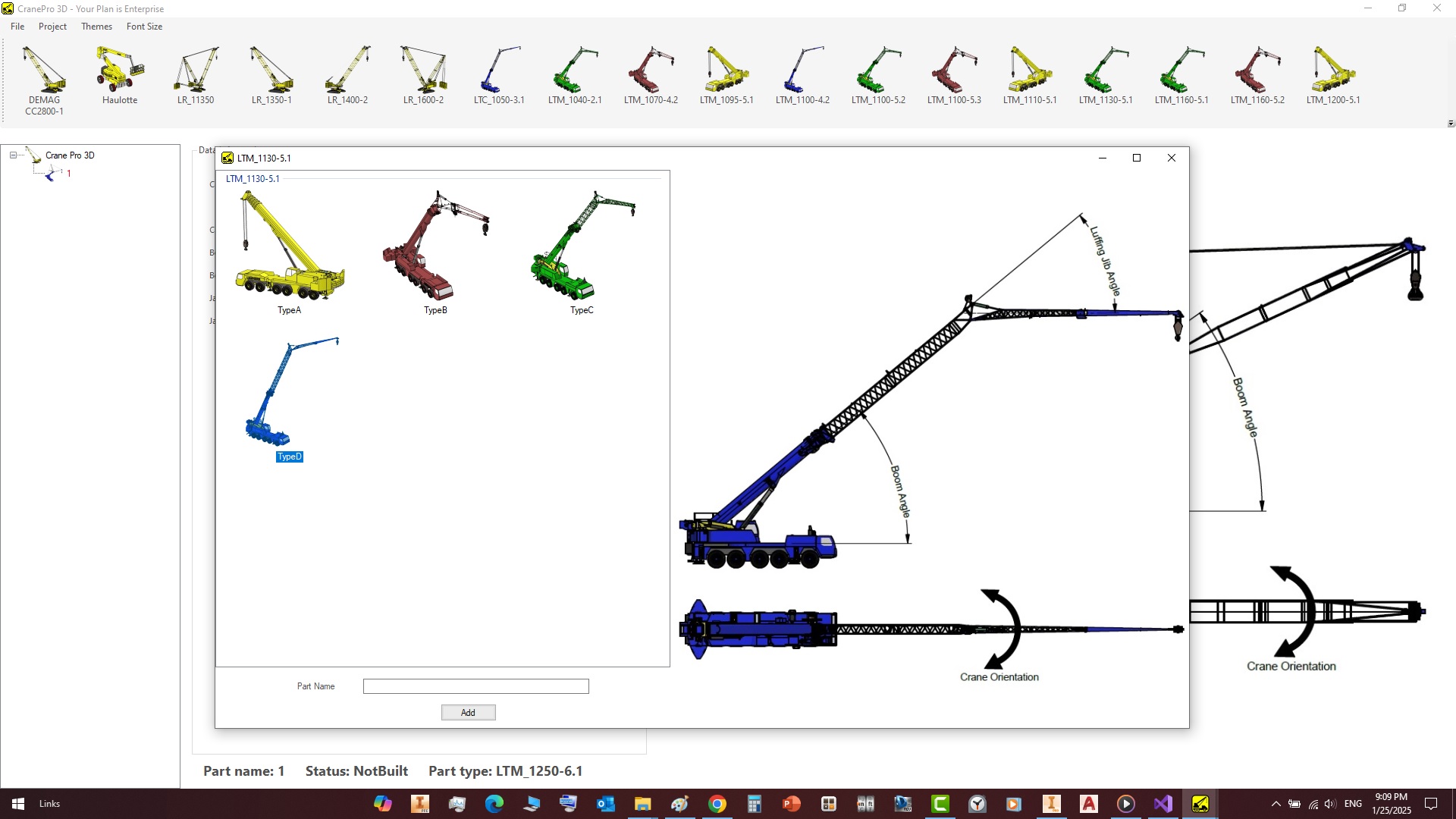
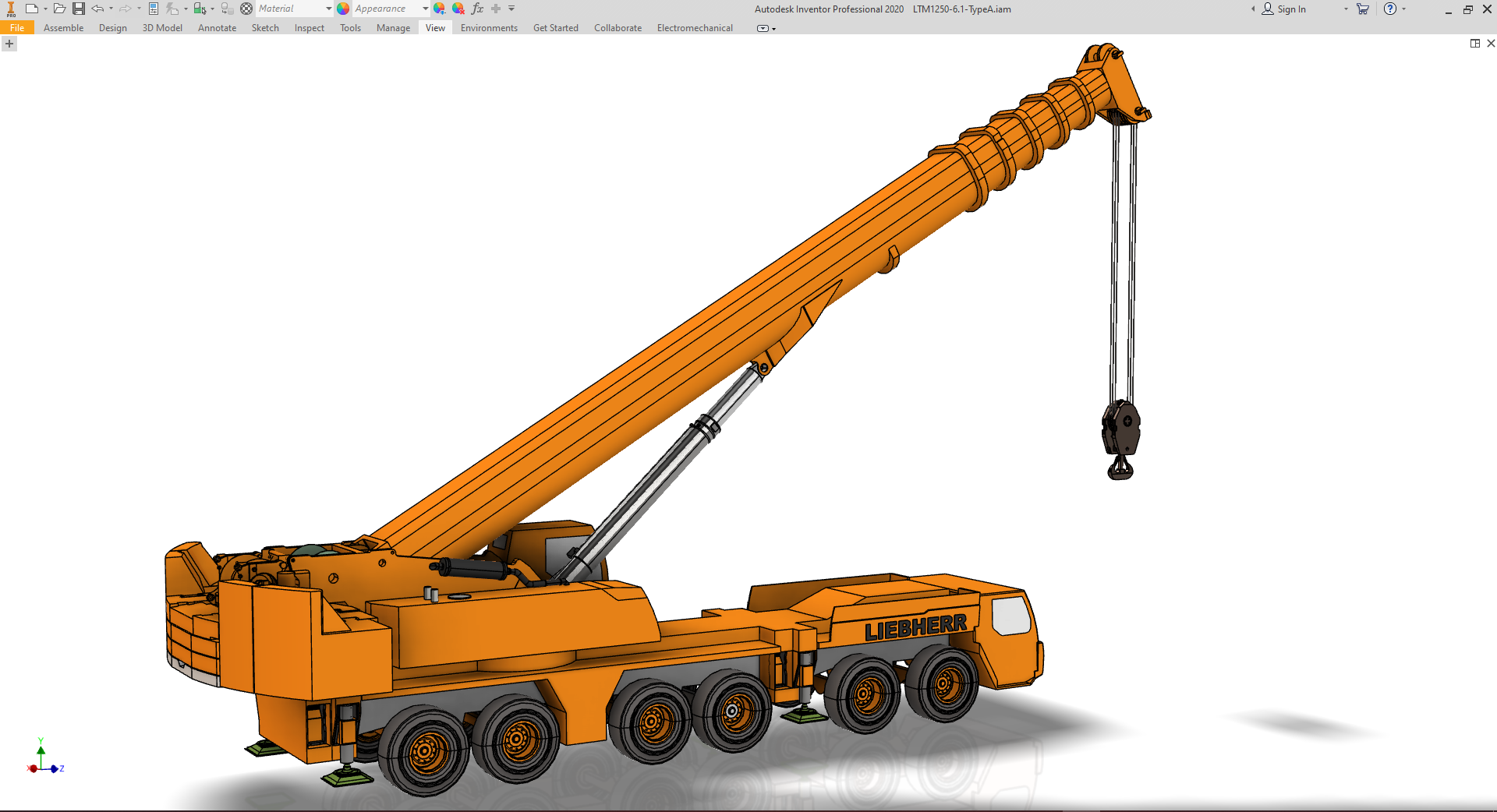
Includes a growing database of parametric crane models with customizable configurations.
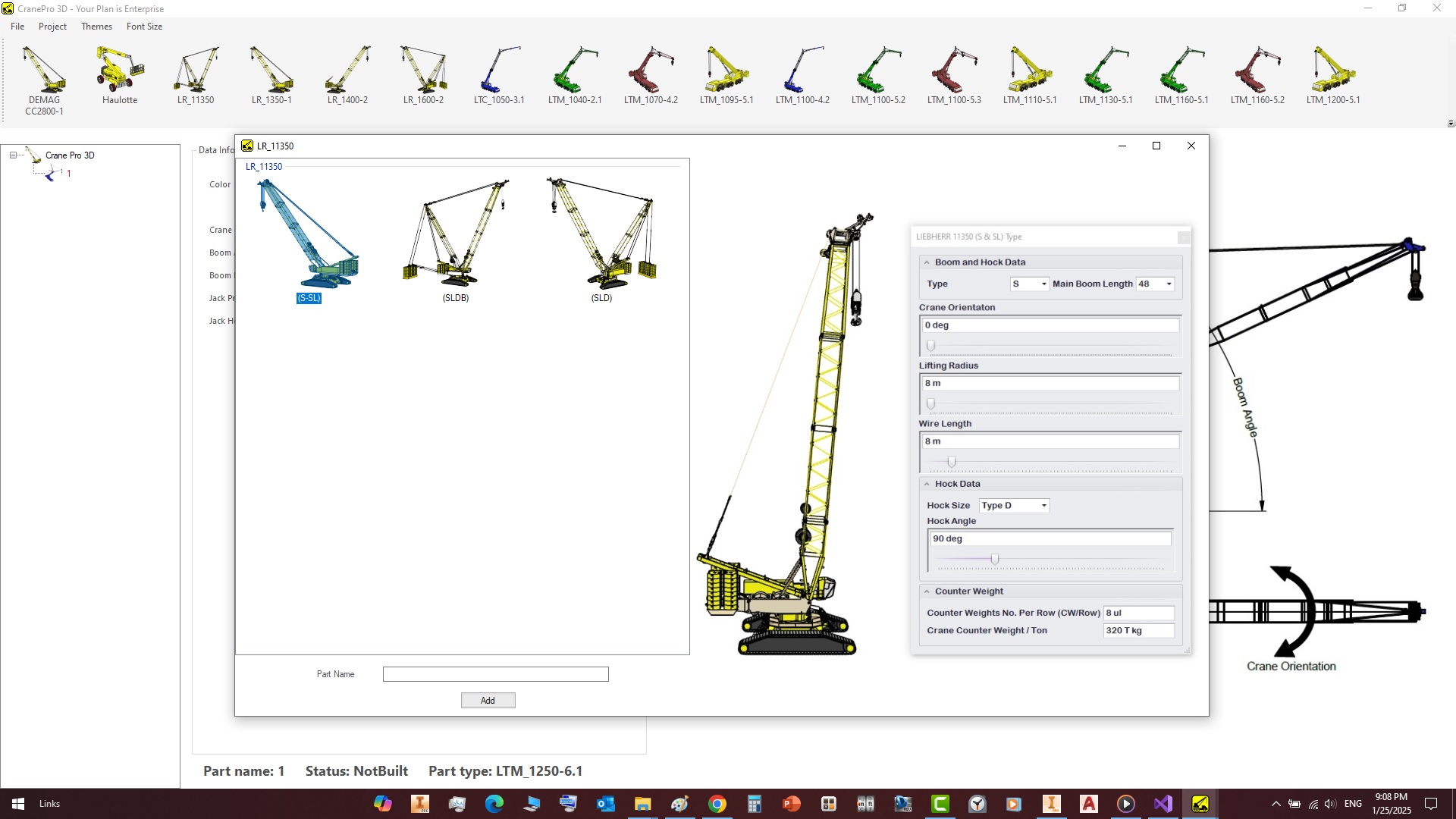
Users can modify boom length, angles, and attachments dynamically based on specific project requirements.
Automatically applies load charts to ensure realistic and safe lifting capacities.
Enables users to visualize lifting operations, assess stability, and optimize crane placement
Helps in determining maximum reach, load limitations, and working area constraints.
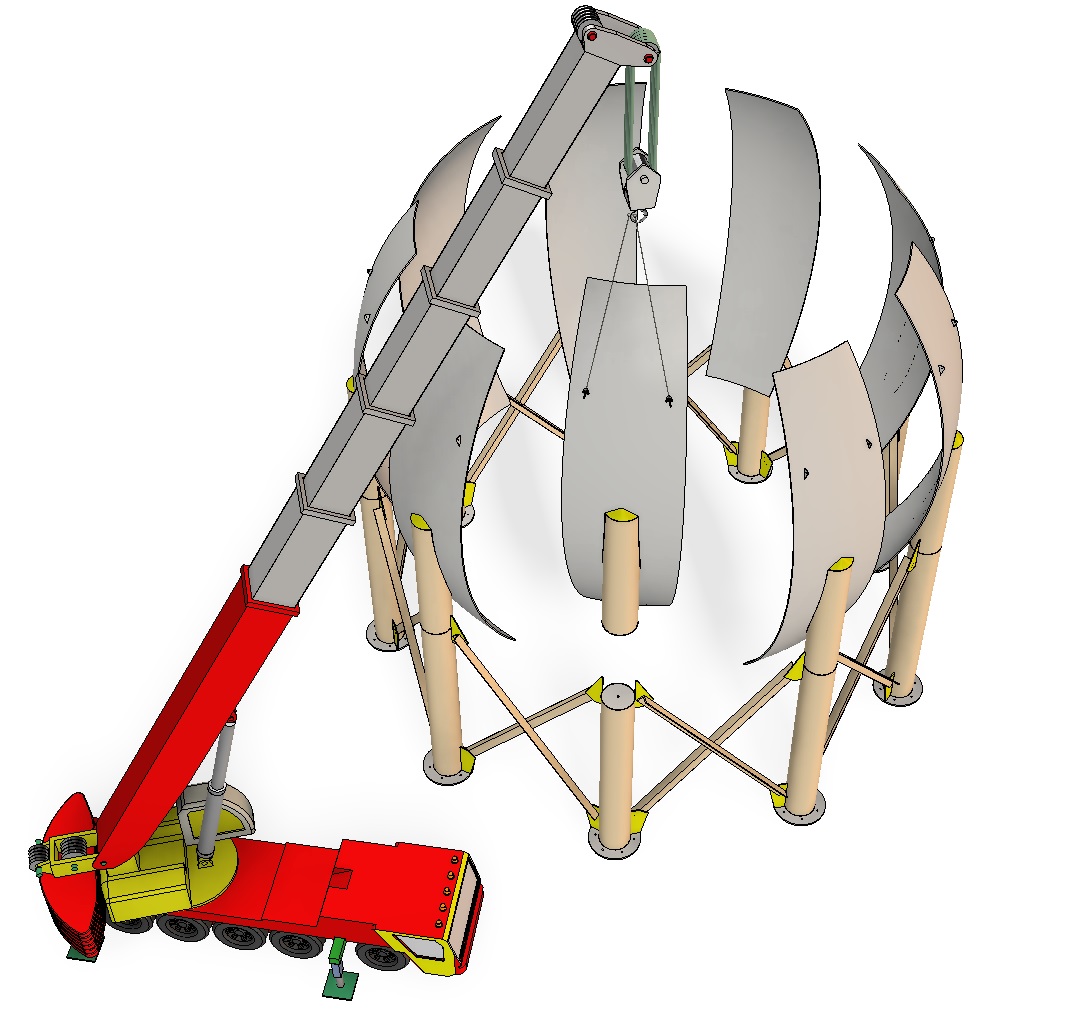
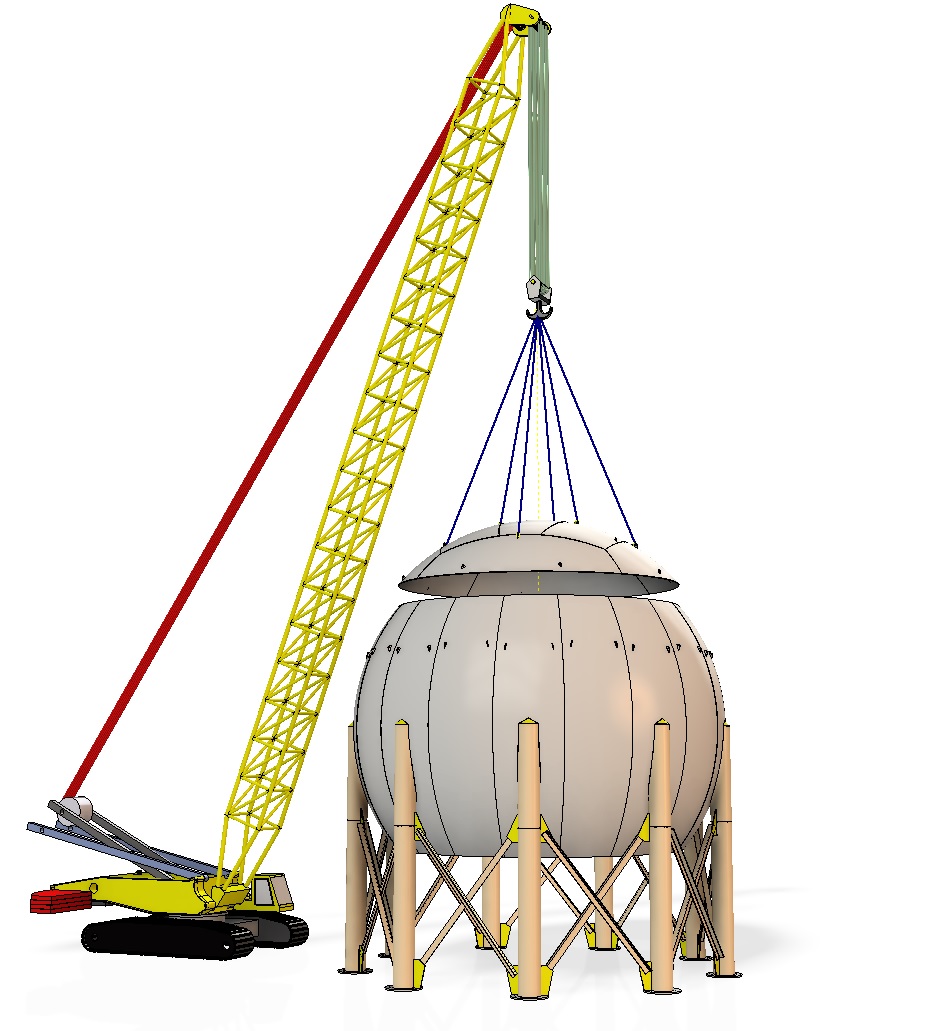
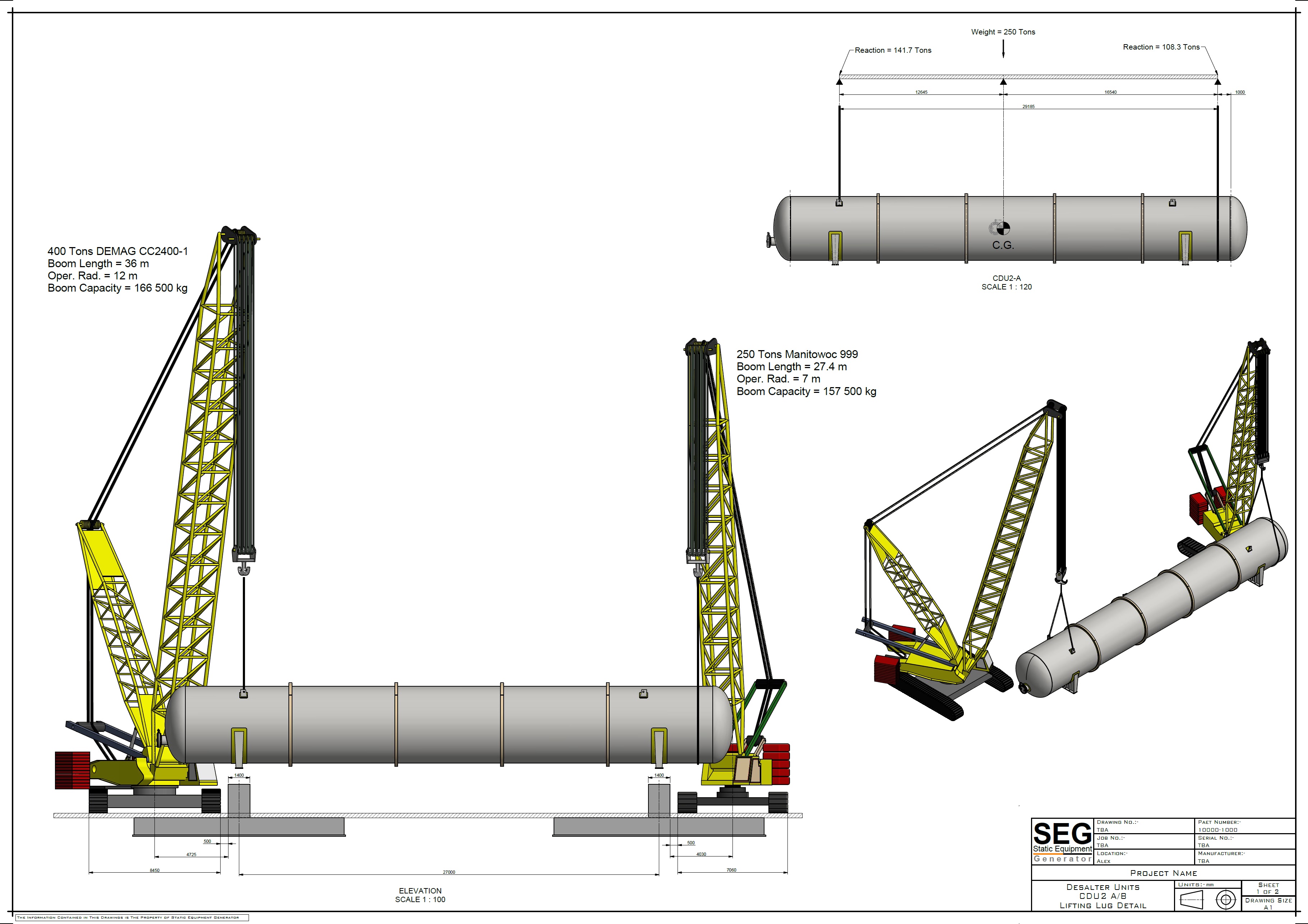
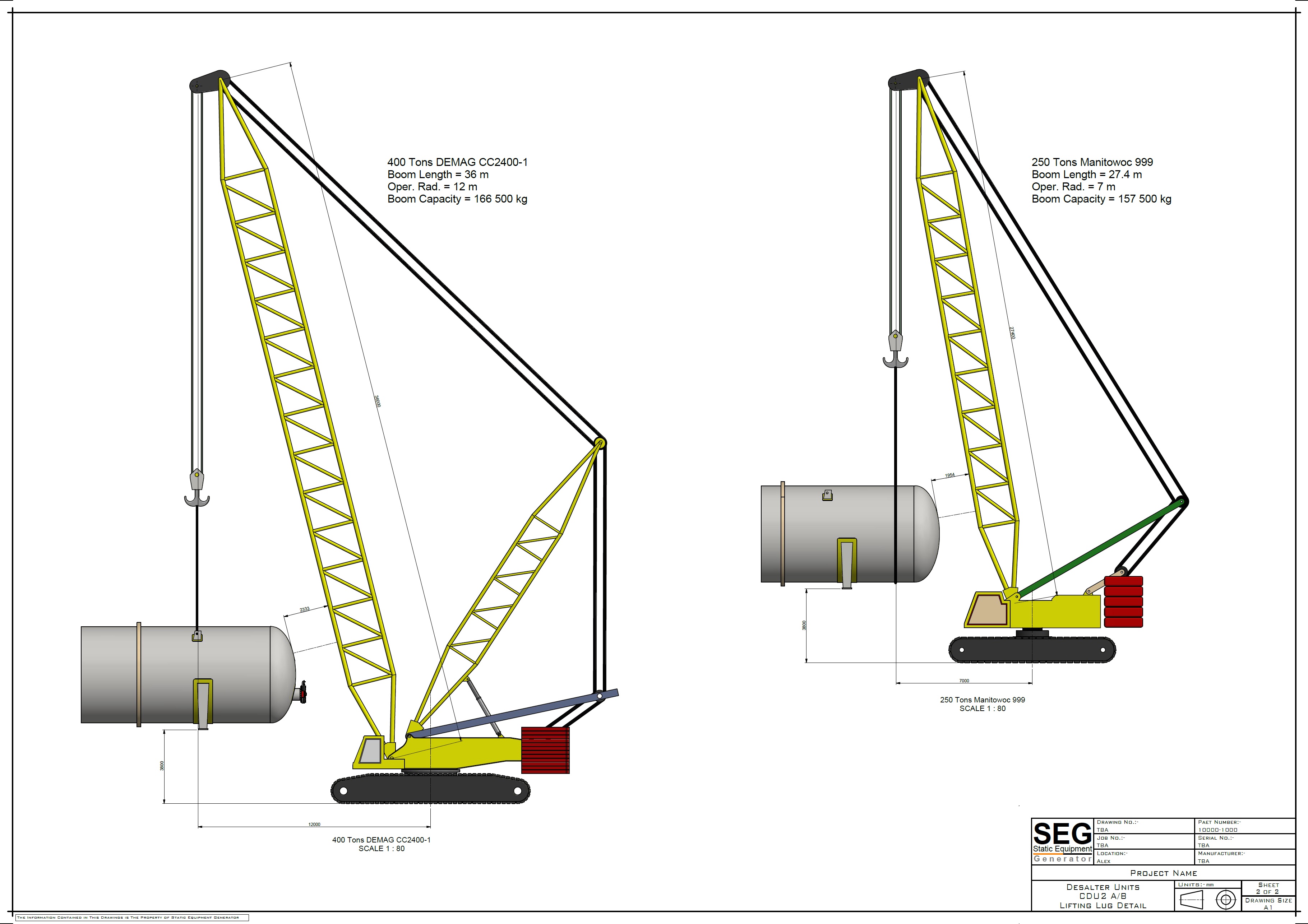
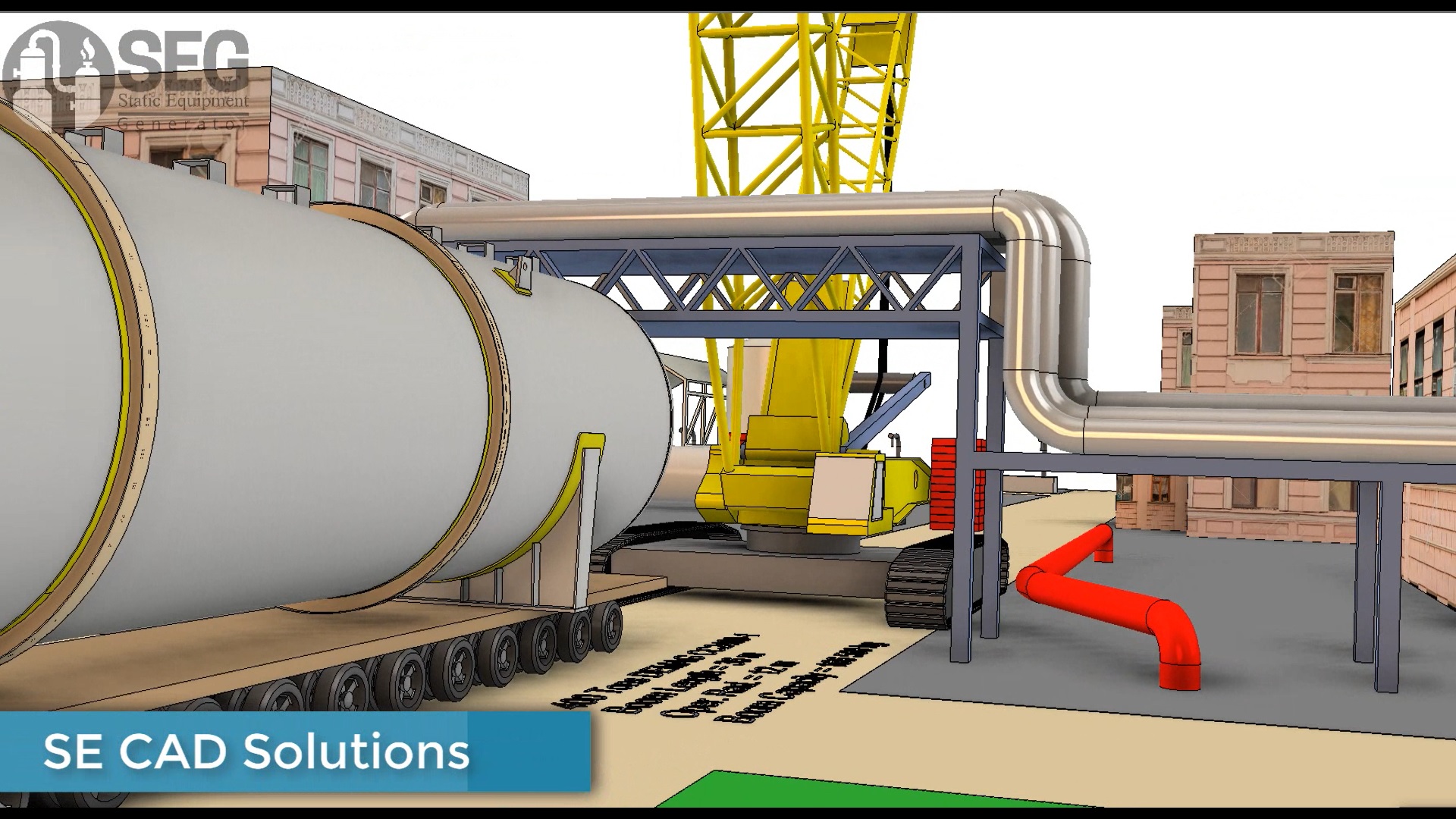
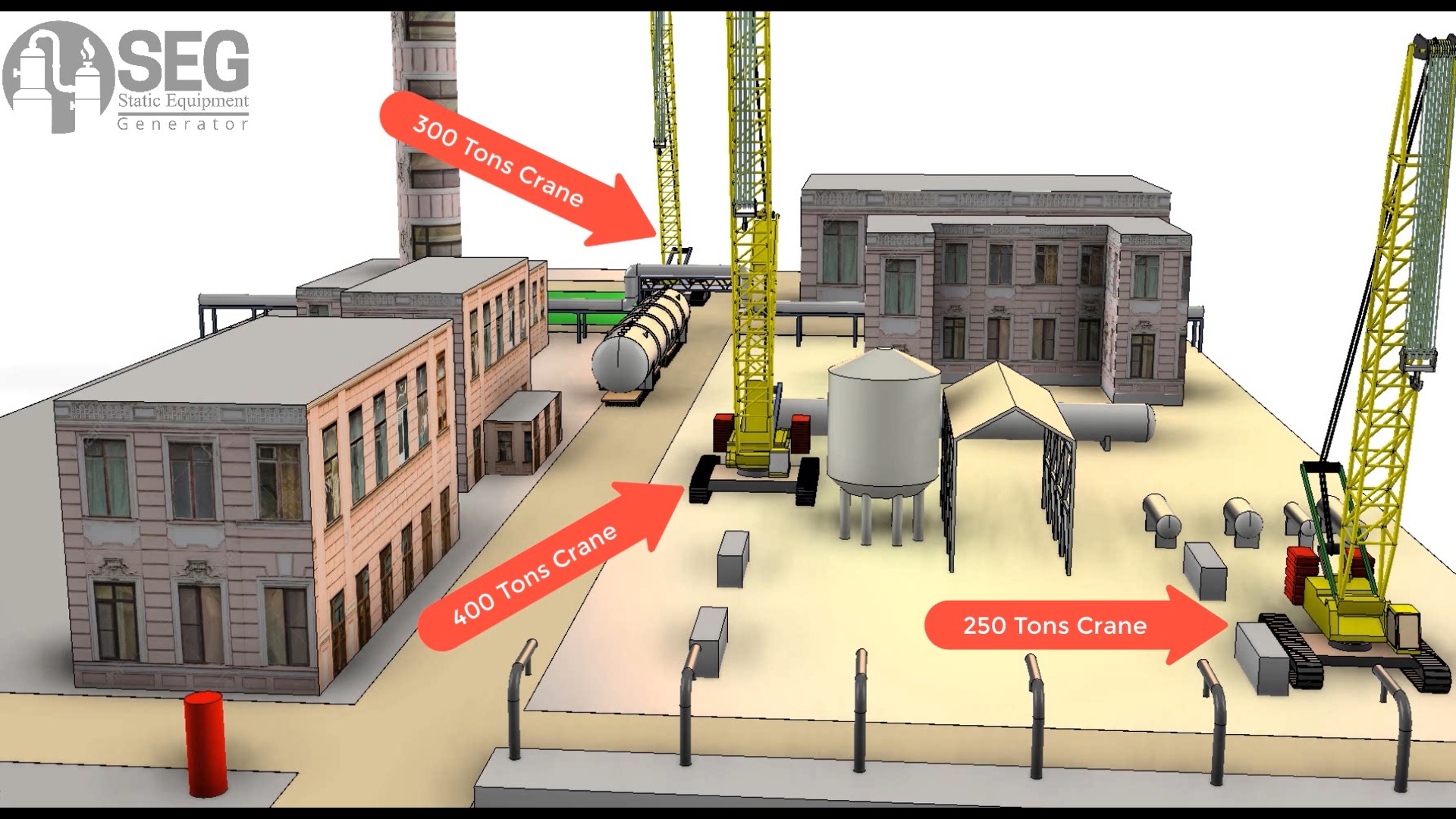
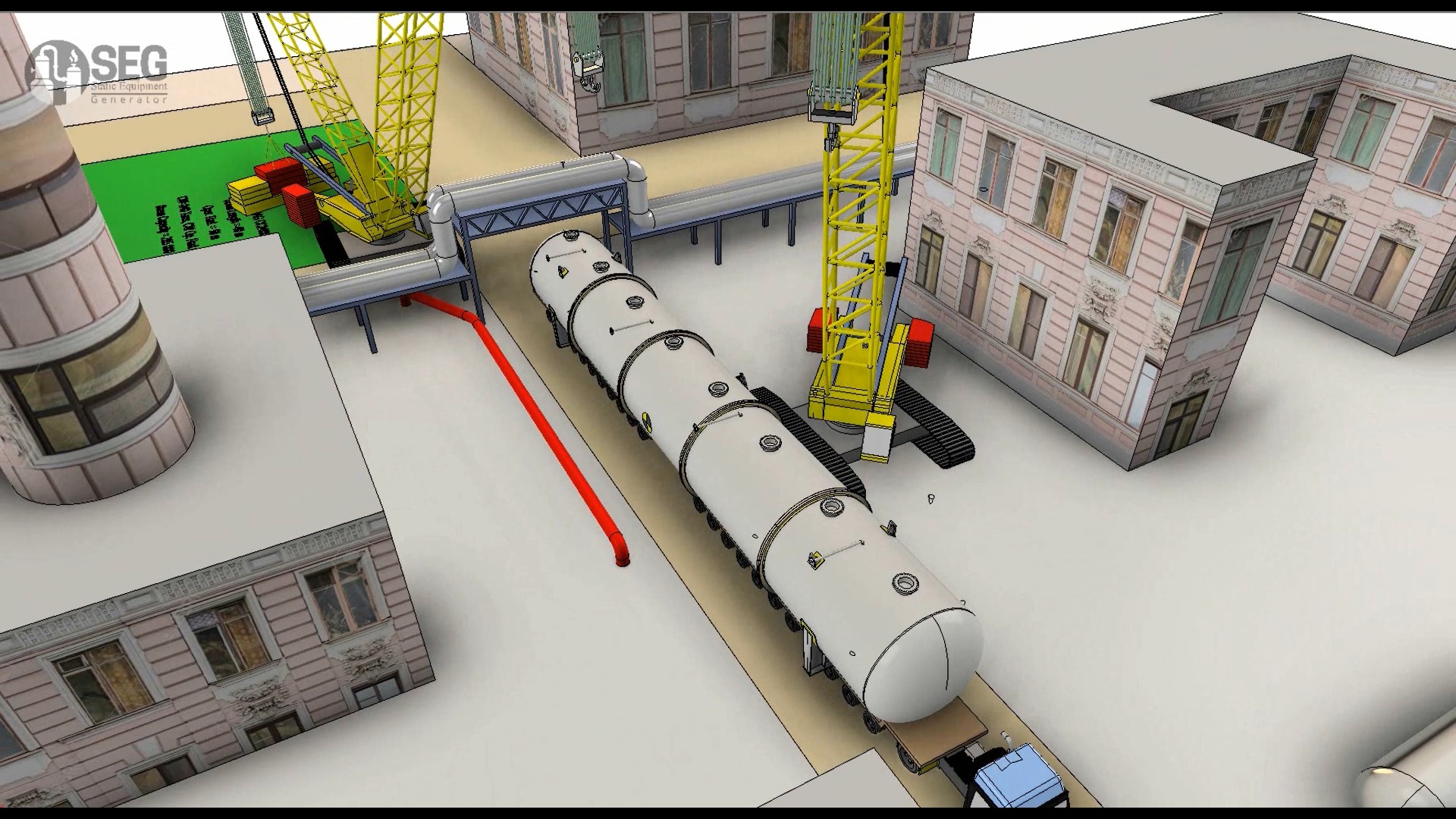
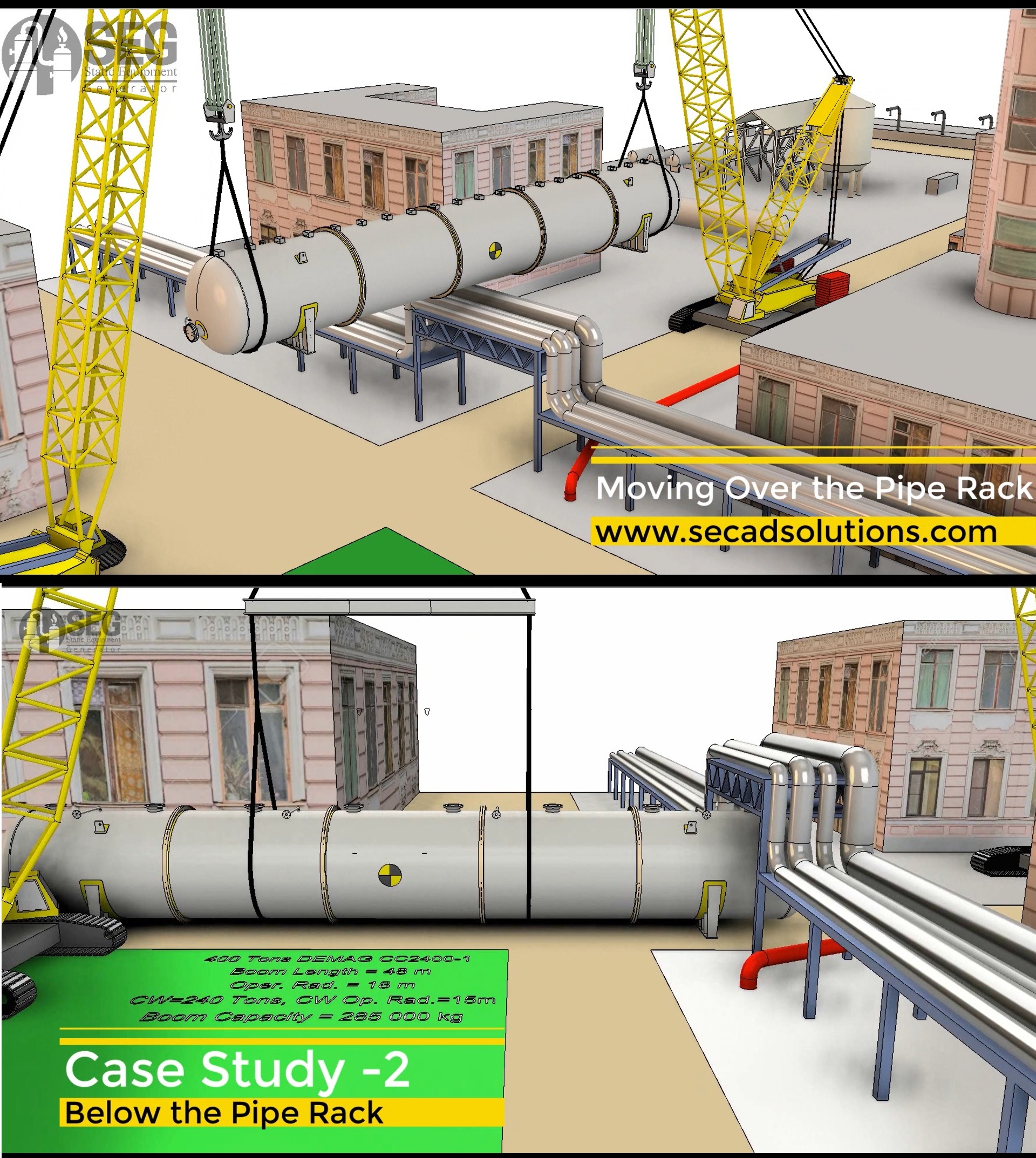
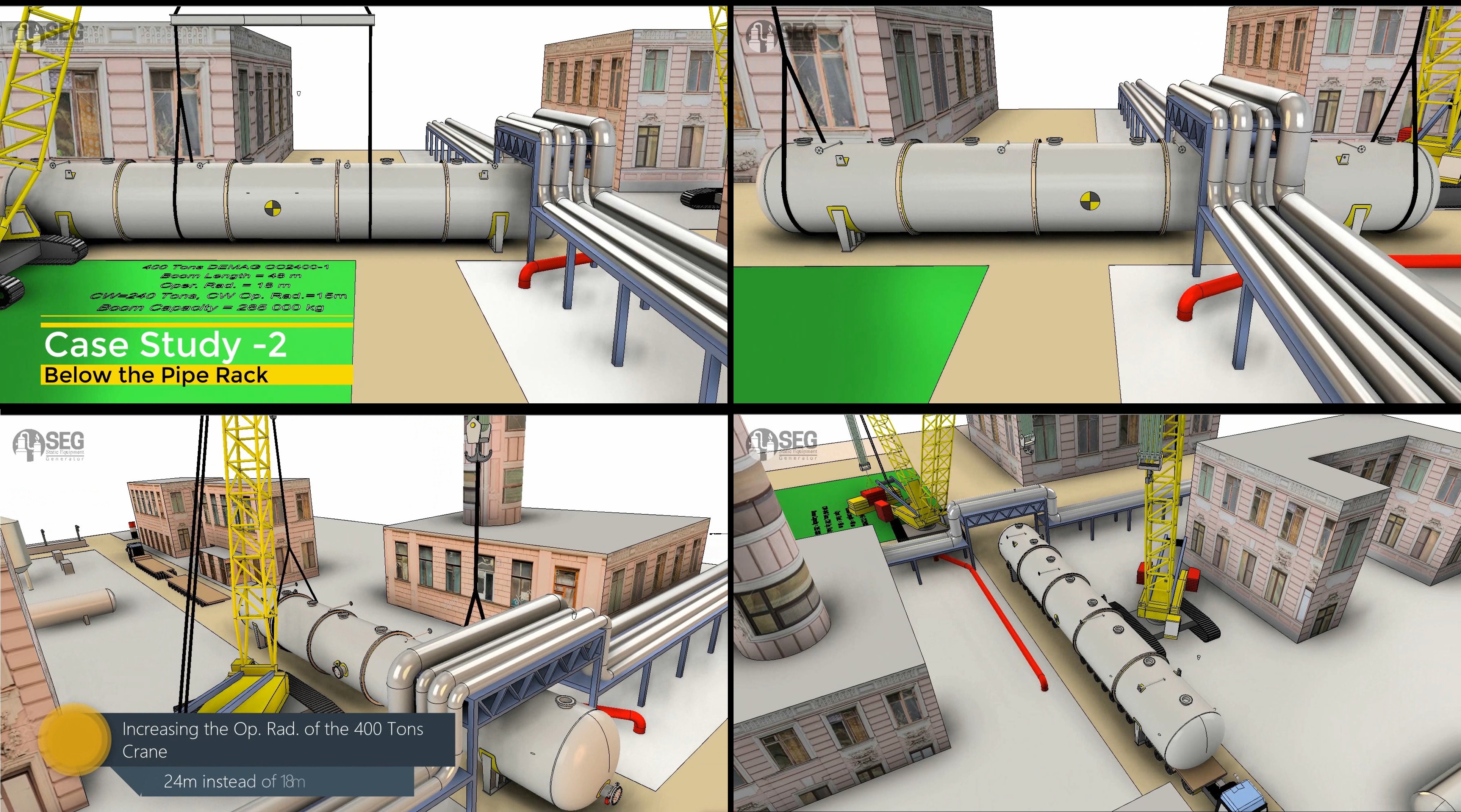
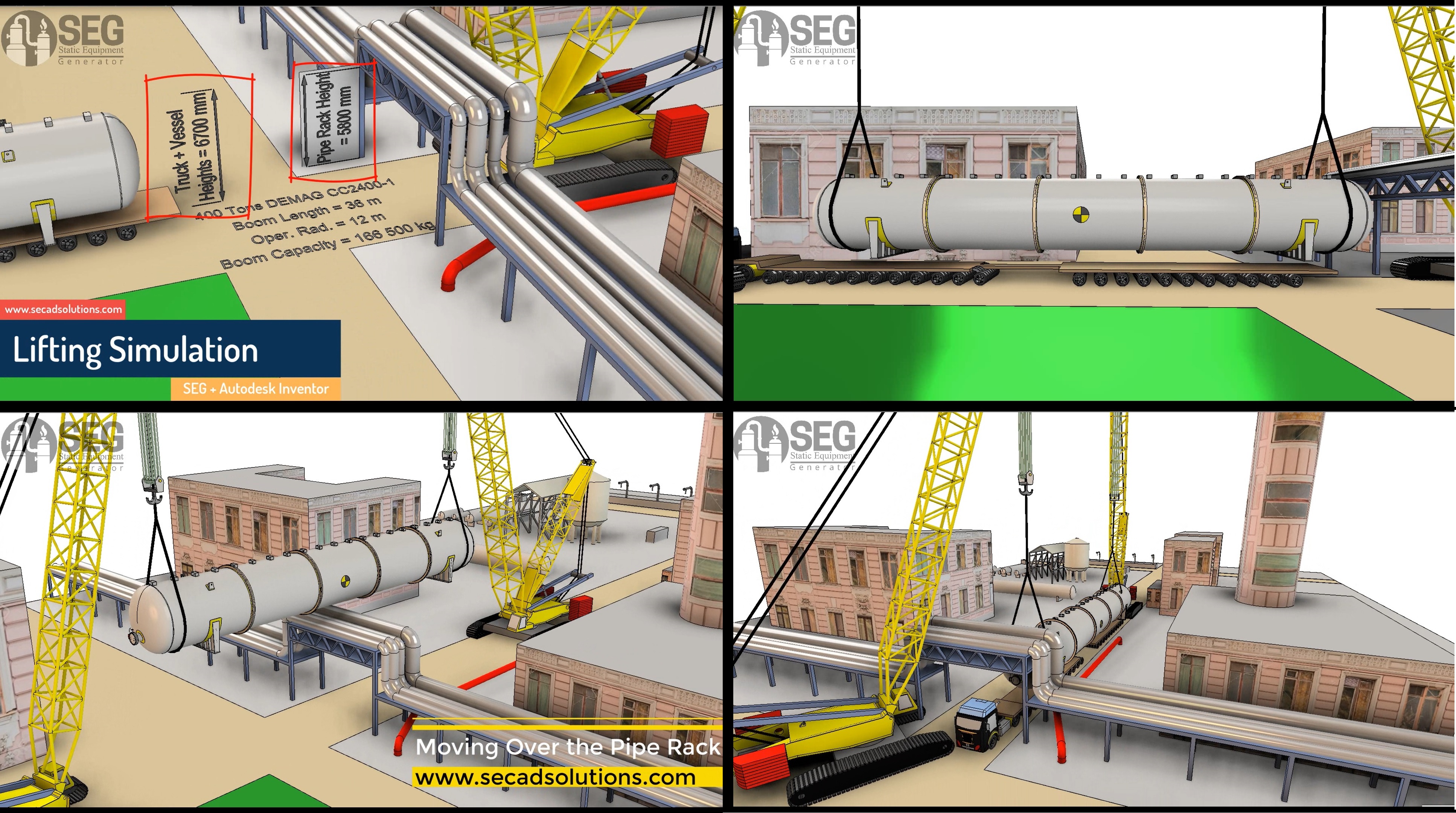
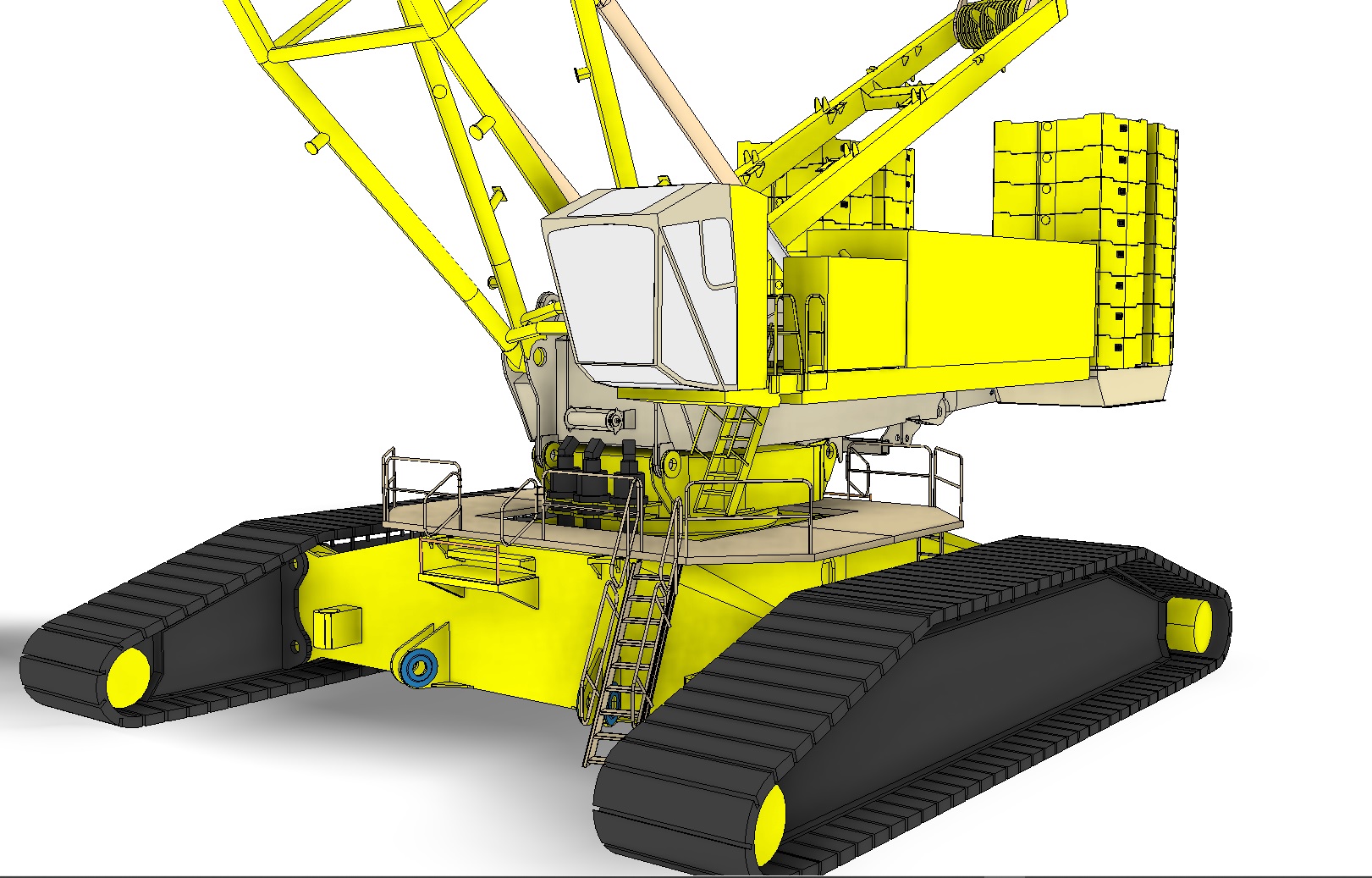
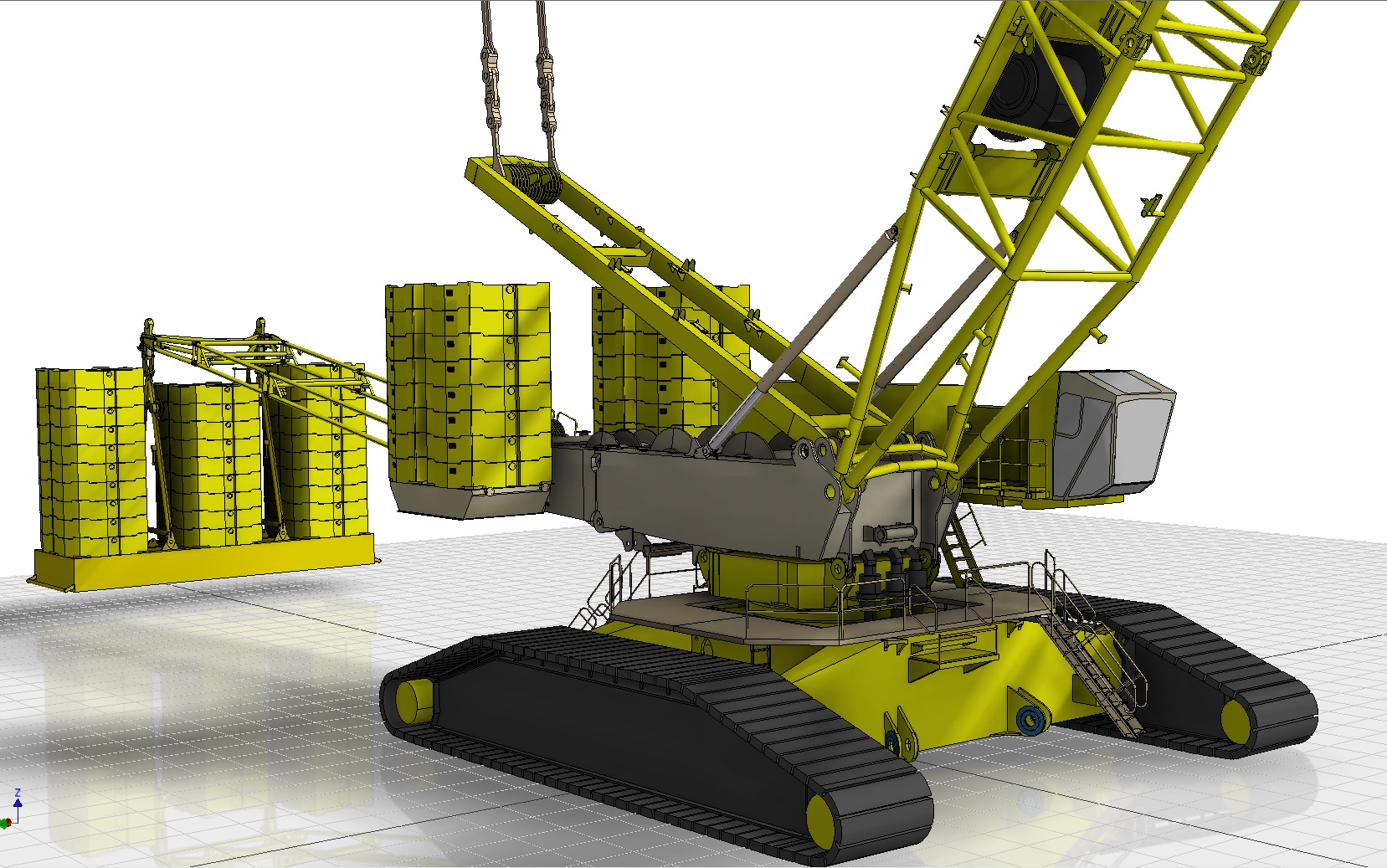
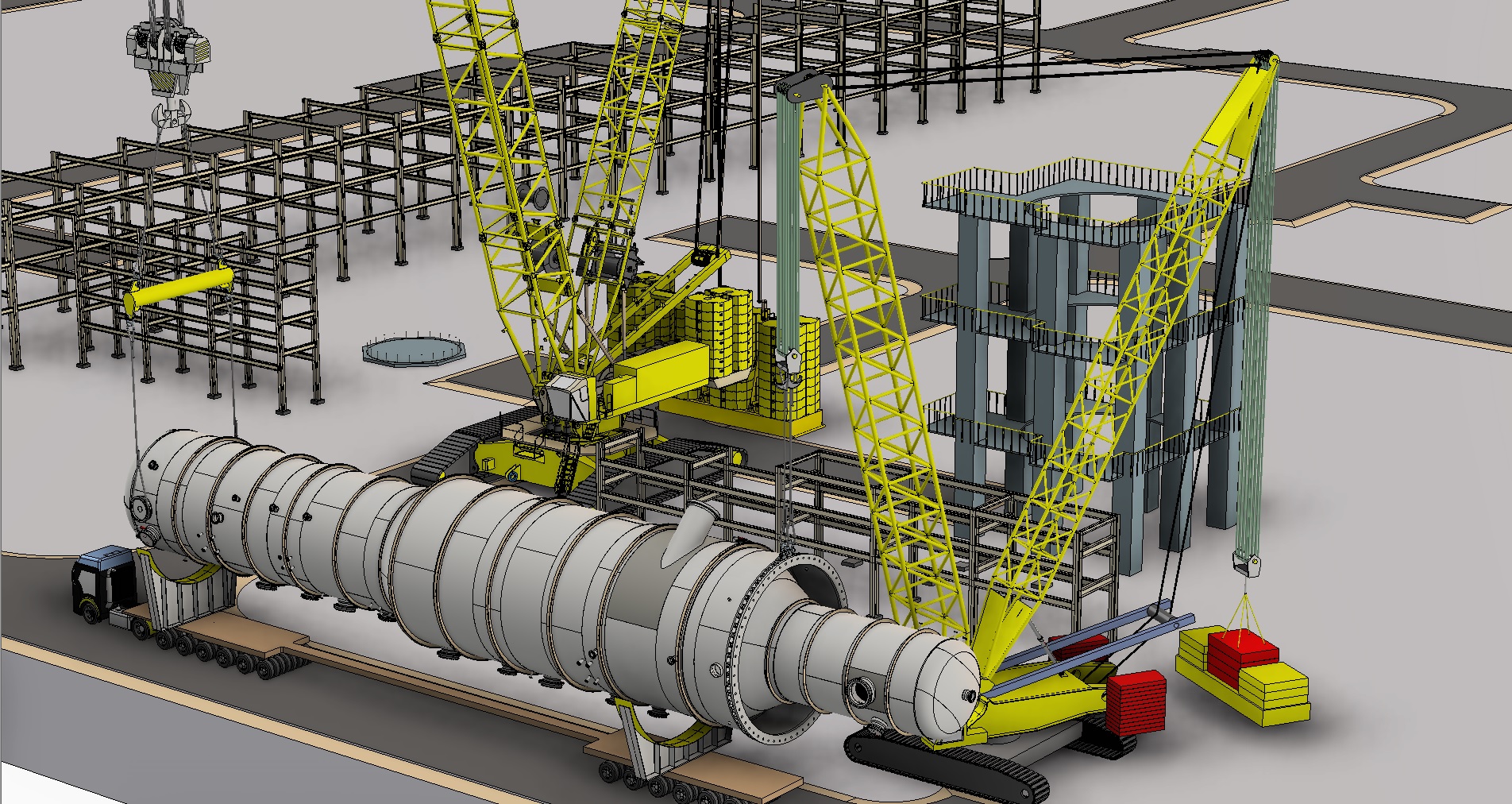
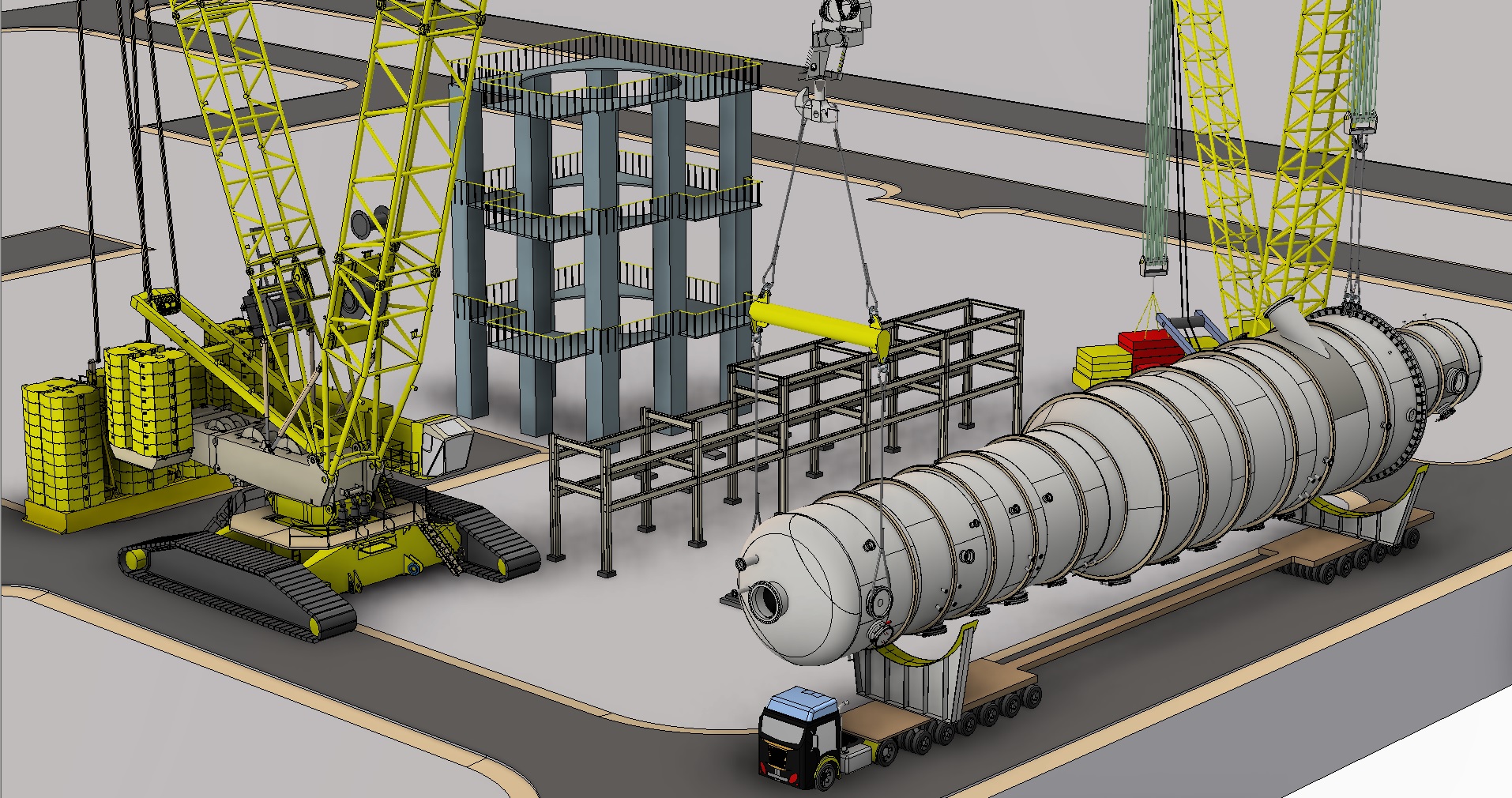
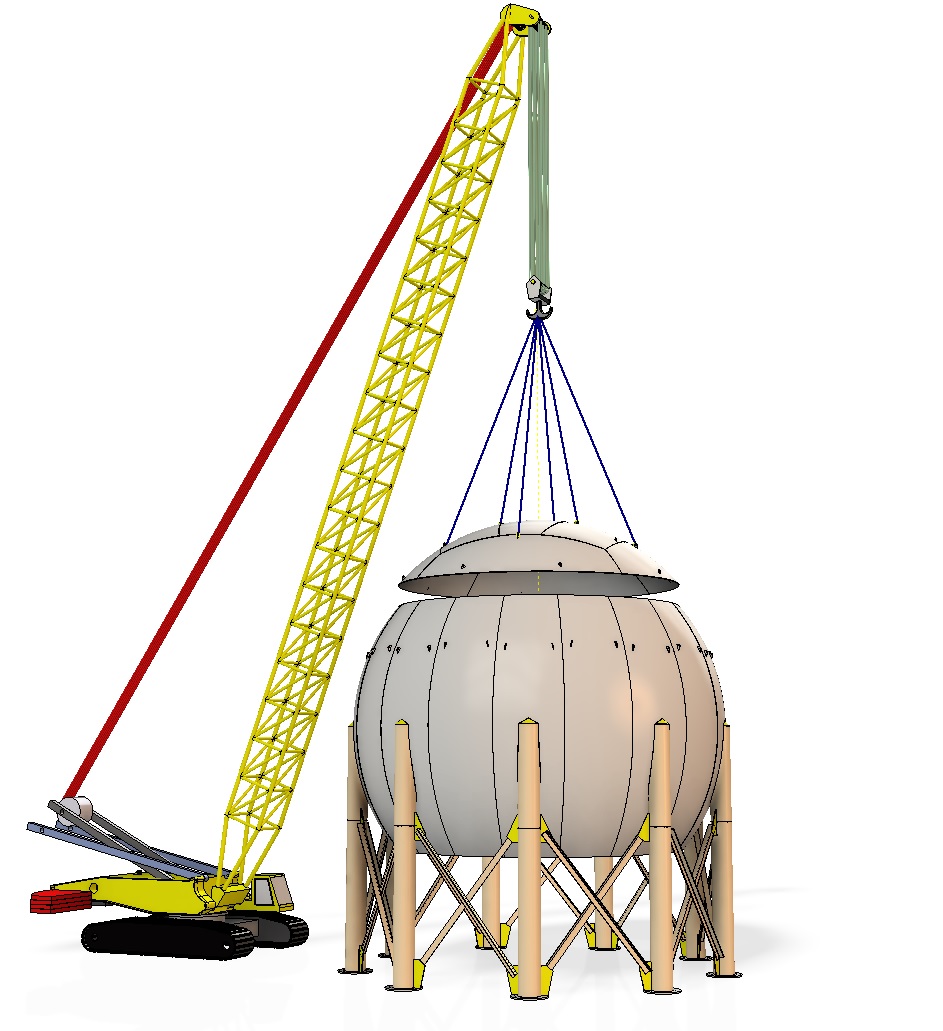
A Lifting Chart (or Load Chart) is a document provided by the crane manufacturer that defines the crane's lifting capacity under different configurations. It includes essential data such as maximum load limits, boom lengths, lifting angles, counterweight requirements, and operational restrictions. The lifting chart helps operators determine the safe working limits of the crane and ensures that lifting operations comply with safety standards.
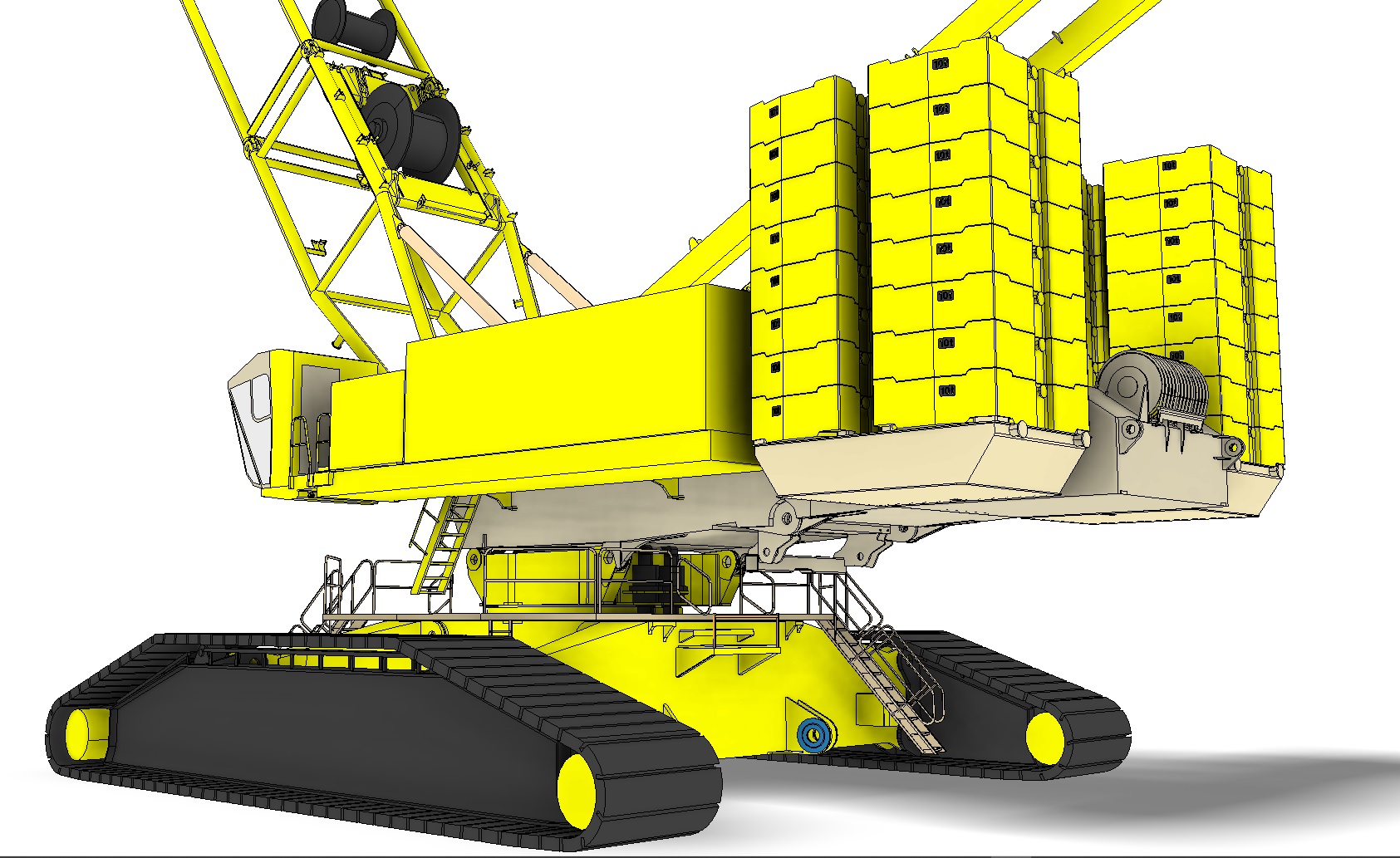
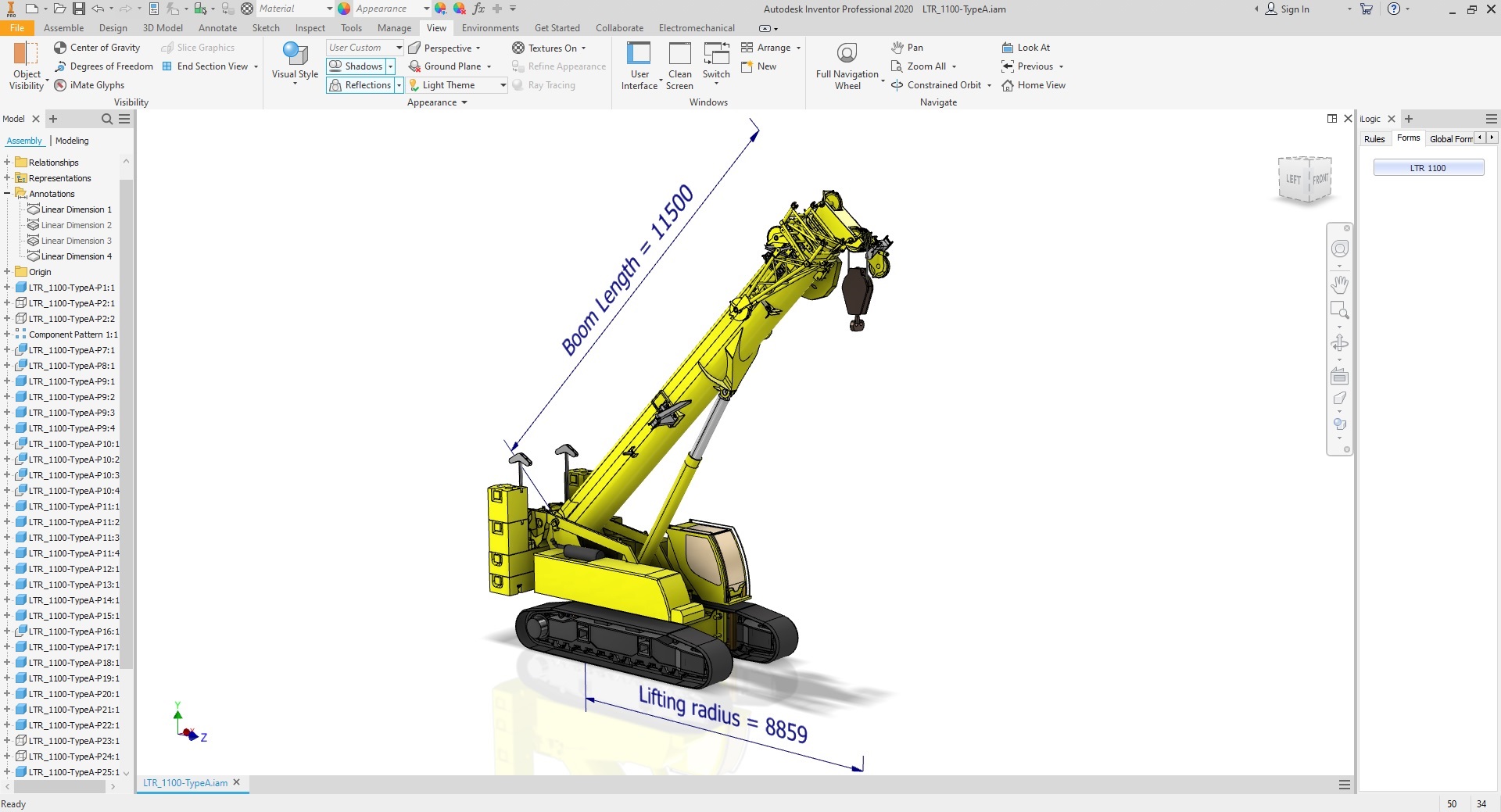
The Boom Lifting Radius is the horizontal distance measured from the center of rotation of the crane (slewing center) to the center of the load being lifted. It is a key factor in determining the crane’s lifting capacity since the load-bearing capacity decreases as the radius increases. The boom radius is influenced by the boom length, angle, and extension of any additional jibs.
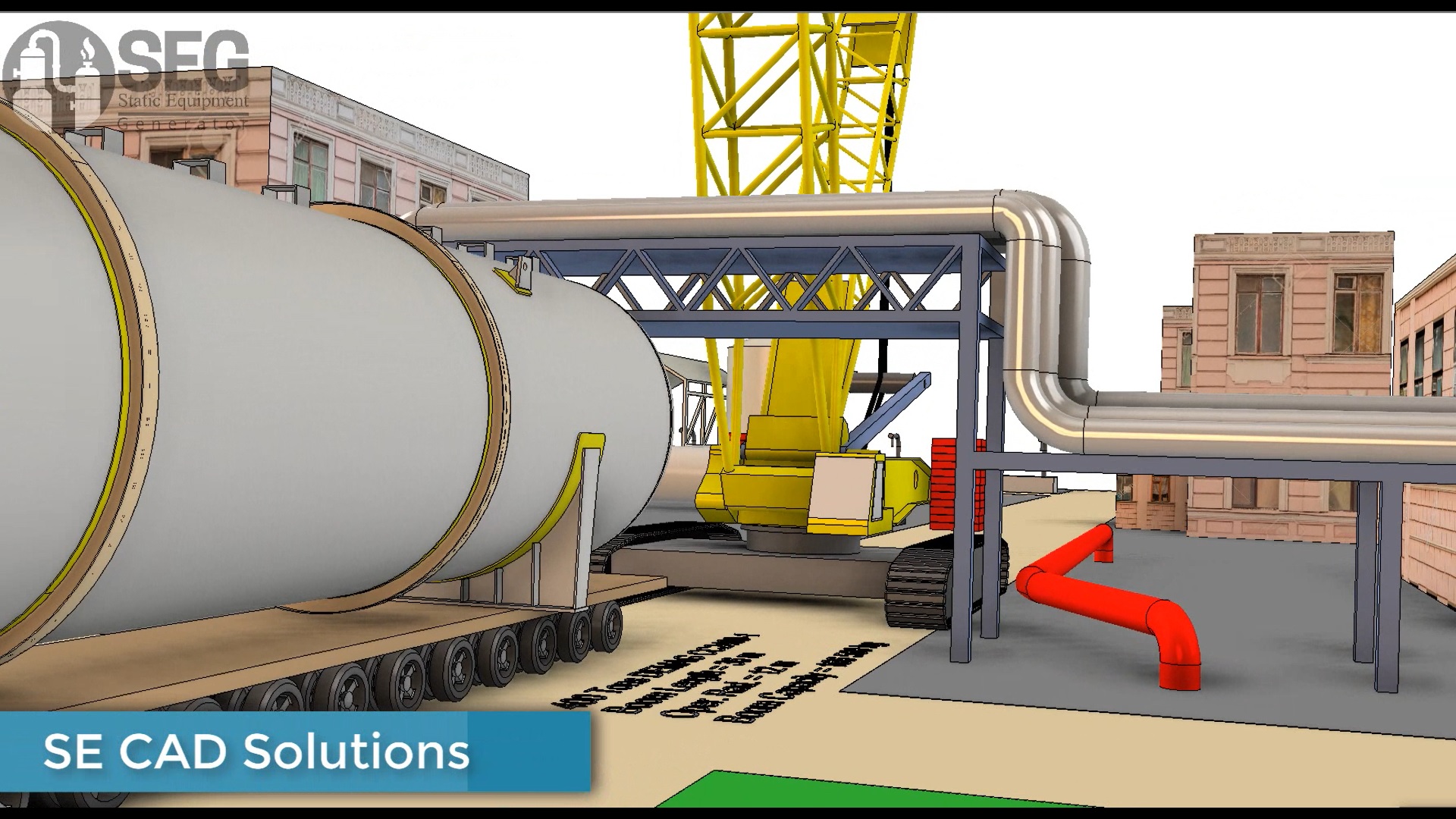
The Center of Gravity (CG) is the point at which the entire weight of an object is considered to be concentrated. For cranes, understanding the CG of both the crane itself and the load being lifted is critical for maintaining balance and stability. Improper weight distribution can lead to tipping or structural failure. In lifting operations, the CG helps determine the proper rigging configuration and ensures that the load remains stable throughout the lift.









Boom Lifting Angle
The Boom Lifting Angle refers to the angle between the crane’s boom and the horizontal ground level. This angle directly affects the lifting capacity and reach of the crane. A higher boom angle generally increases vertical lifting capability but reduces horizontal reach. The boom lifting angle is a crucial parameter in lift planning to ensure proper positioning and safe operation.